Aston Martin's Disastrous F1 2026 Start: Newey on Alonso's Mental State
The dawn of the 2026 Formula 1 season promised a new era of engine and chassis regulations, igniting hopes across the grid for a reshuffling of the pecking order. For Aston Martin, however, this fresh start has quickly devolved into a nightmare. As the paddock descended upon Melbourne for the Australian Grand Prix, the harsh realities of their new AMR26 car and Honda power unit quickly became apparent, casting a long shadow over the team and, most acutely, over their veteran superstar, Fernando Alonso. The Spaniard, a two-time world champion renowned for his relentless pursuit of perfection and his ability to *gain time* on track, found himself a spectator in the season's opening practice session, a stark symbol of the team's profound struggles.
Team Principal Adrian Newey's candid revelations painted a grim picture, detailing issues so severe that they threaten not just race results, but the long-term health of their drivers. The early optimism surrounding the new regulations has been replaced by a pervasive sense of dread at Silverstone, leaving many to question how Aston Martin, a team with significant ambitions, could find itself in such a perilous position so early in a new regulatory cycle.
The Genesis of a Nightmare: Power Unit and Chassis Woes
Aston Martin's troubles stem from a deeply concerning confluence of factors, primarily revolving around their new Honda power unit and a delayed chassis development program. Newey disclosed that both Fernando Alonso and his teammate Lance Stroll are experiencing significant physical discomfort due to excessive vibrations emanating from the power unit. These vibrations are not merely an annoyance; they're severe enough to cause pain in the drivers' hands, raising genuine fears of "permanent nerve damage."
The implications of this issue are catastrophic for competitive racing. Alonso, a titan of the sport, is reportedly limited to around 25 consecutive laps before the pain becomes unbearable. For Stroll, the threshold is even lower, at just 15 laps. This effectively renders finishing the 58-lap season-opening race in Melbourne an almost impossible feat, forcing the team to contend with the stark reality of early retirements. Beyond the physical toll, the vibrations are also linked to persistent battery failures, depleting the team's spare parts inventory to critical levels in Australia. The problem is so dire that Alonso was withdrawn from FP1 at the Australian Grand Prix due to a suspected power unit issue, a pre-emptive measure likely to protect both the driver and the limited spares.
As if the power unit issues weren't enough, Aston Martin's chassis development has also fallen significantly behind schedule. Newey admitted the team commenced its wind tunnel program a crippling four months late. This fundamental delay has had a cascading effect, resulting in a car that is "several seconds off the pace" during the limited track time it has managed to accumulate. Such a deficit at the very start of a new era is almost insurmountable, suggesting a fundamental misstep in their strategic planning and execution. The synergy between power unit and chassis is paramount in Formula 1, and the AMR26 appears to be failing on both critical fronts. For a deeper dive into these technical setbacks, explore
Honda Power Unit Vibrations Cripple Aston Martin's F1 2026 Hopes.
Fernando Alonso's Mental Gauntlet: A Champion Denied
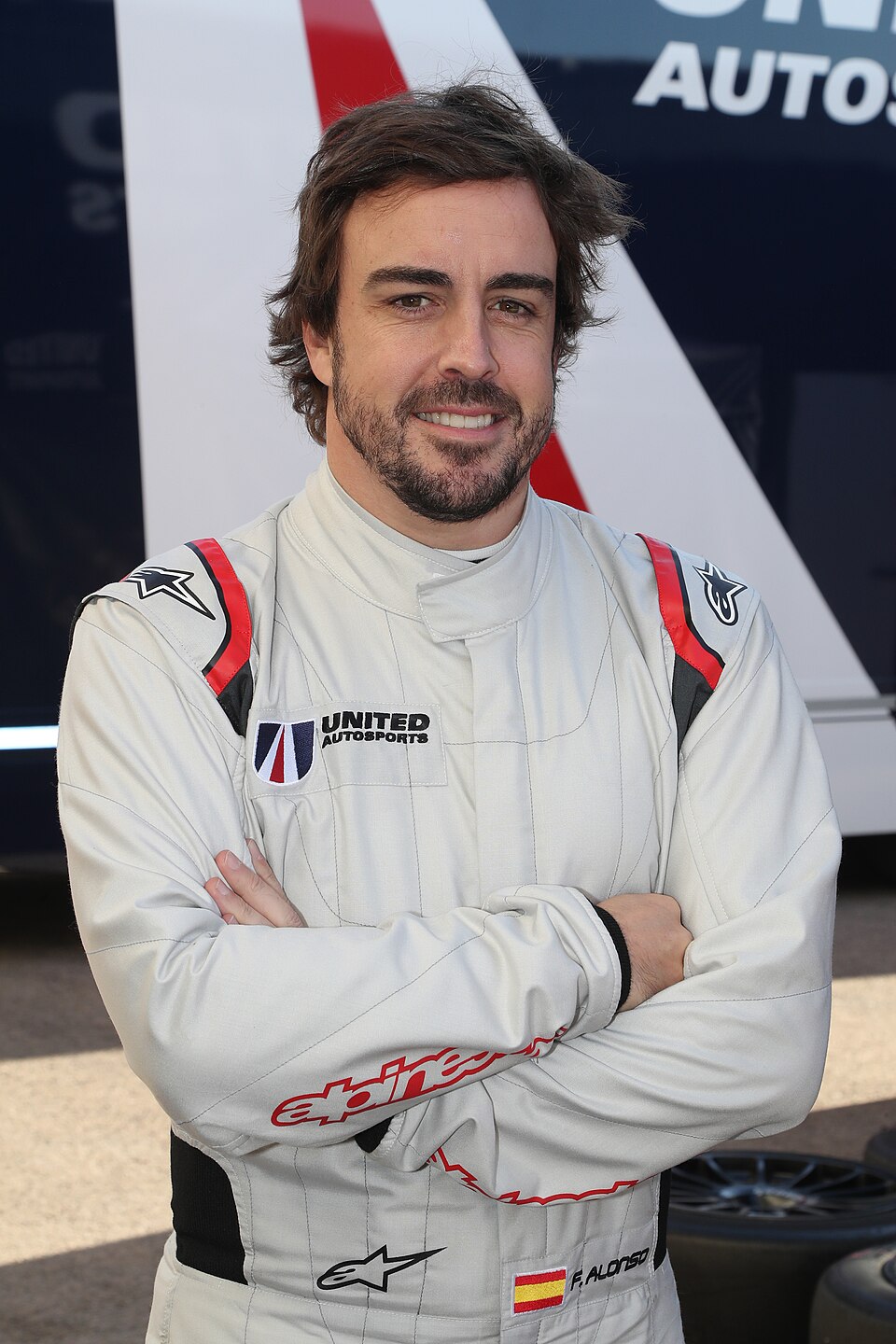
The most poignant aspect of Aston Martin's woes is the profound impact on Fernando Alonso. At 44, turning 45 this year, and with his contract set to expire at the end of the season, the dream of a third world championship – a trophy he has relentlessly pursued since his back-to-back triumphs in 2005 and 2006 – appears to be all but over. Adrian Newey, a man who has witnessed and nurtured countless champions, believes Alonso is in a "hard mental place."
This sentiment is particularly crushing given Newey's profound admiration for the Spanish veteran. Newey hails Alonso as "one of the true greats," praising his "ability, his talent, his all-around capability." He firmly believes Alonso "should have won far more than the two championships" and 32 race wins currently to his name. Even now, Newey affirms Alonso is "still super quick, super talented, super sharp." Physically, the data backs this up: his eyesight remains excellent, and he proudly boasts of being the fastest starter in terms of reaction time last year.
The tragedy here lies in a champion of Alonso's calibre being so utterly hobbled by his machinery. A driver renowned for his unique ability to *alonso ganho tempo* – to meticulously gain time, extracting every last hundredth of a second from a car, regardless of its inherent limitations – is now denied the very canvas upon which he paints his masterpieces. His legendary race craft, his precision, his unmatched feedback, and his relentless pursuit of competitive advantage are all rendered moot by a car that is not only slow but physically damaging. Imagine a master artisan whose tools are fundamentally flawed; the frustration, the psychological toll, must be immense. To be a driver who always finds a way to *gain time*, only to be in a situation where the car dictates constant losses, is a cruel blow to his legendary mental fortitude. This devastating scenario for Alonso and the team is further detailed in
Alonso's F1 2026 Agony: Aston Martin Car Problems & Nerve Damage Fears.
Beyond Aston Martin: A Shaky Start to F1 2026's New Era
While Aston Martin's struggles are undeniably the most severe, the opening weekend of the 2026 season hinted at broader teething problems across the grid with the new regulations. Fernando Alonso's absence from FP1 was just one of several early setbacks. British rookie Arvid Lindblad, making his F1 debut, stopped at the pit-exit just two minutes into the session, though he later managed to get his car going. Oscar Piastri briefly reported "no power" in his McLaren, an issue that was fortunately resolved swiftly. Even reigning world champion Lando Norris faced an early exit from FP1, completing only seven laps before a gearbox issue sidelined him for the remainder of the session.
These incidents suggest that the ambitious new F1 2026 regulations, particularly concerning engine and chassis design, are proving challenging for multiple teams. While Aston Martin's woes are of a different magnitude – impacting driver health and fundamental race participation – they highlight the complexities and potential pitfalls of significant regulatory shifts in Formula 1. The early days of a new era are often fraught with reliability concerns, but the extent of Aston Martin's problems points to a deeper systemic failure within their development cycle.
Navigating Adversity: Lessons for Teams and Drivers
Aston Martin's disastrous F1 2026 start offers invaluable, albeit harsh, lessons for the entire sport.
- For Teams: The Peril of Compartmentalized Development: The AMR26's issues underscore the critical importance of holistic and synchronized development between power unit suppliers and chassis manufacturers. A late wind tunnel program coupled with a problematic engine creates an impossible situation. Teams must ensure seamless communication, integrated testing, and shared timelines to avoid such catastrophic misalignments.
- For Drivers: The Ultimate Test of Mental Resilience: For drivers like Fernando Alonso, this situation is the ultimate mental gauntlet. His ability to *gain time* and extract performance is legendary, but even the greatest talents can be broken by fundamentally flawed machinery. The challenge now is to maintain motivation, provide constructive feedback, and protect long-term health in the face of insurmountable odds. Drivers in such scenarios must focus on incremental improvements and personal development, rather than chasing results that are simply not on the table.
- The Role of Leadership: Adrian Newey, as the Team Principal, faces an immense challenge in steering the team through this crisis. Transparent communication, realistic goal-setting, and a clear strategic roadmap for recovery are crucial. His honest assessment of Alonso's mental state and the team's struggles, while painful, is a necessary first step towards addressing the problems head-on.
- Fan Perspective: Patience and Empathy: For fans, this serves as a reminder of the intricate engineering and immense pressure behind every F1 car. While competitive racing is thrilling, understanding the complex challenges, including driver health and the technical tightrope walked by engineers, provides a deeper appreciation for the sport.
In situations like these, where physical limitations prevent a driver from doing what they do best – which for Alonso is to *alonso ganho tempo* – the focus must shift. It's about damage limitation, internal development, and meticulously planning for future seasons.
Aston Martin's 2026 season has begun in the most catastrophic fashion imaginable. The physical danger posed by the vibrating Honda power unit, coupled with a fundamentally uncompetitive chassis, has trapped Fernando Alonso in a cruel sporting purgatory. As Adrian Newey suggests, Alonso is in a "hard mental place," a poignant testament to the frustration of a champion whose immense talent to *gain time* on track is systematically thwarted by his own machinery. The path forward for Aston Martin will be long and arduous, demanding radical solutions and unwavering resilience to emerge from this profound crisis and give one of F1's greatest drivers the platform he deserves.